Noun
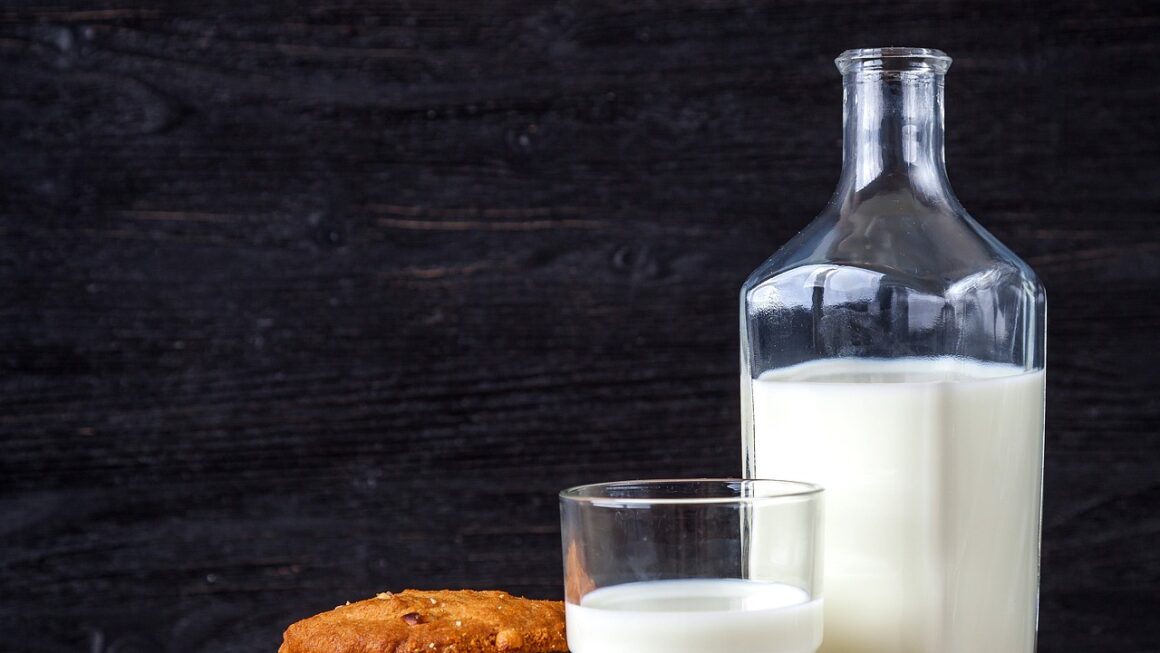
A white liquid produced by a mother to feed her babies, or a similar liquid produced by animals like cows, goats, or sheep.
Verb
It is the act of getting milk from a cow or goat, using either their hands or a machine.
Example in a Sentence
“Cheese is often made from the milk of cows.”
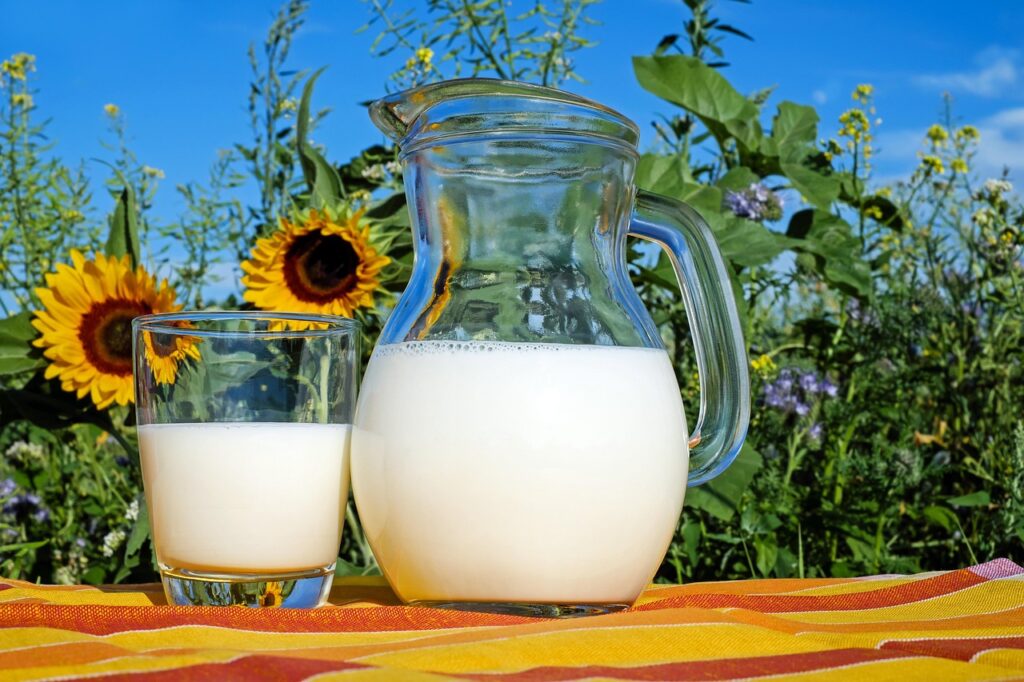
Cream and milk are commonly used dairy products. They differ in their fat content and usage. Cream is a thicker, richer, and fattier version of milk made by separating it from the milk fat. The Cream contains at least 30% fat, which gives it a smooth, soft texture.
Milk Is Packed With Many Nutrients including;
Calories: 146
Protein: 8 grams
Fat: 8 grams
Calcium: 28% of the RDA
Vitamin D: 24% of the RDA
Riboflavin (B2): 26% of the RDA
Vitamin B12: 18% of the RDA
Potassium: 10% of the RDA
Phosphorus: 22% of the RDA
Selenium: 13% of the RDA
What Are The Health Benefits Of Drinking Milk?
- Bone and Tooth Health; Builds strong bones, Prevents bone loss, Protects teeth
- Muscle and Body Function; Supports muscle repair, Aids recovery, Maintains fluid balance
- Overall Wellness; Delivers key vitamins, Supports heart health
Potential Risks and Downsides
- Lactose intolerance: Many adults lose the ability to easily digest the sugar in milk over time, which can lead to gas, bloating, or stomach pain.
- Saturated fat: Whole or high-fat milk has a lot of saturated fat, which may raise heart disease risk if you drink too much of it.
- Not essential: Experts from organizations like the Harvard T.H. Chan School of Public Health note that milk is optional for adults who prefer other nutrient sources.