Blog

  • Best samosa dough recipe | Easy samosa dough recipe

    Samosa Recipe
    Prep: 30minutes mins
    Cook: 15minutes mins
    Dough resting: 30minutes mins
    Servings 12 samosas

    Moist, spiced potato wrapped in tender, flaky pastry, Samosas are one of the world’s great street snacks! Despite this, it’s hard to find a great one.
    Here I’ve come up with what is my ideal Samosa – it’s just the right size, with the right thickness of flaky pastry and a deliciously moist potato filling, so that every bite is perfect. I’ve gone all the way and used authentic spices to remain true to this Recipe, and I dare say the result is better.
    Makes 12 Samosas.
    INGREDIENTS
    Cups
    Metric
    DOUGH:
    1 1/2 cups flour , plain/all purpose
    1 tsp ajwain seeds (Note 1)
    1/2 tsp salt , cooking/kosher
    4 tbsp ghee (melted and cooled) or oil (any vegetable) (Note 2)
    6 tbsp water (cold tap water)
    POTATO and MEAT FILLING:
    500g/1 potatoes , starchy/all-rounder (Note 3)
    2 tbsp vegetable/canola oil
    1 tsp cumin seeds
    1/4 tsp black mustard seeds
    1/2 tsp coriander seeds
    1 tbsp fresh ginger , finely grated
    1 tbsp green chilli , finely chopped (serrano or cayenne)
    1/2 cup frozen green peas (thawed)
    1 tsp garam masala
    1/4 tsp amchur (Note 4)
    1/2 tsp asafoetida (Note 5)
    1/4 tsp cumin powder
    1/2 tsp turmeric powder
    1 tsp salt , kosher/cooking
    2 tbsp coriander/cilantro leaves , finely chopped
    FRYING:
    Vegetable/Canola oil for frying (at least 1 liter/1 quart)
    SERVING:
    Tamarind Dipping Sauce – see separate recipe below
    INSTRUCTIONS
    POTATO FILLING:
    Boil potato until soft: Peel then cut potatoes in half. Place in a pot of cold water, bring to boil then cook until very soft, ~10 minutes.
    Mash roughly: Remove the potatoes onto a plate and roughly mash with a fork, leaving some large chunks (we want some textural interest).
    Cook spice seeds: Heat oil in a large skillet over medium heat. Add the cumin seeds, mustard seeds & coriander seeds. Stir the spices for about 30 seconds or until fragrant – don’t let them burn!
    Add the ginger, chili, peas and continue to stir a further minute or so until the chili is soft.
    Add remaining spices: Add the garam masala, amchur, asafoetida, cumin powder, turmeric and salt. Cook a further 30 seconds.
    Add potato and gently stir to coat in spices for about 1 minute.
    Cool: Remove from the stove, stir in chopped coriander leaves. Spread potato mixture out on a plate and let it cool completely before using.
    SAMOSA DOUGH:
    Mix dry ingredients: Place the flour, salt and ajwain seeds into a bowl and stir to combine.
    Rub ghee into flour: Add the ghee or oil and mix with your fingertips until the dough resembles breadcrumbs. (This step is key to making flaky samosa pastry.)
    Form a ball: Add the water and mix with the flour until you form a ball of dough. It should be pliable and soft, but not so sticky it sticks to your hands.
    Rest 30 minutes: Cover the dough in the bowl with glad wrap and leave to rest for 30 minutes.
    Cut into 6: Cut the dough into 6 equal portions, then roll each into a ball. Keep the balls on a plate covered with cling wrap so they don’t dry out.
    Place between papers: Place one ball on a sheet of parchment/baking paper. Press down to flatten, then cover with another sheet of paper. Do not flour the work surface – it will dry the pastry out.
    Roll out: Roll the dough into a disc about 2mm / 1/10″ thick (~16cm /6.5” diameter).
    Cut in half: Cut through the center to create two semicircles (2 samosas per disc).
    Make cone: Brush the straight side with water, then fold straight edge to join itself and form a cone. Overlap the edges by about 1 cm / 2/5″ then press edges to seal.
    Fill with potato: Make an “O” with your forefinger and thumb, then hold the cone in the “O”. Fill with about 2 tbsp of Potato Mixture, lightly pressing in.
    Seal: Brush the open pastry edge with water, then press together so your Samosa is fully sealed. Place sealed edge down on work surface and press down to fold. Trim off excess pastry, fold in corners. Pinch the top corner to make it pointy.
    Repeat with remaining Samosas – you should make 12 in total.
    FRYING:
    Heat oil to medium: In a deep pan or pot, heat 5cm / 2″ oil to 160°C/320°F). (Note 7)
    Fry 1: Carefully drop 3 – 4 samosas in the oil and cook for 3 minutes, moving them around occasionally (if they touch the base of the pot for too long, they get brown spots).
    Drain and repeat: Remove from the oil and drain on paper towels. Repeat with the remaining samosas.
    Increase oil heat: Increase the oil temperature up to 190°C/375°F.
    Fry 2: Carefully place 3 – 4 samosas at the time into the oil, and cook for 1 1/2 to 2 minutes until they are deep golden. Remove from the oil and drain on paper towels. Repeat with remaining Samosas.
    Serve hot with Tamarind Sauce or a Mint Raita (see separate recipe card below this one)
    Recipe Instructions:

    1. An Indian spice with a fragrant, fruity but bitter taste, substitute thyme leaves.
    2. Ghee – Ghee is also clarified butter – to make your own, see here. It gives the samosa pastry a light buttery feel. Rubbing the oil into the flour is what makes the pastry flaky.
    3. Potatoes – Use starchy or all-rounder potatoes. AUS: Sebago dirty brushed, US: russet, Idaho, Yukon, UK: Maris Piper, King Edwards)
    4. Amchur, also known as mango powder is made from dried green mangoes, it is sour in taste and is said to help digestion. Substitute 1/2 tsp lemon juice.
    5. Asafoetida, also known as hing, is derived from a giant species of fennel. It is used in Indian cooking and is a great substitute for people who can’t have garlic or onion. If you cannot find it substitute 1/4 tsp each of garlic and onion powder (in the Filling, and in the Tamarind sauce).
    6. Frying tip – Starting on a low heat is key because if the oil is too hot, the pastry will burst open! While many recipes will call for 10+ minutes on a low heat, I find that makes the samosas really greasy and also dries the pastry out too much. Using a double fry, low-temp-then-high-temp Asian crispy fry method yields the perfect result with a far less greasy pastry. And it’s faster.
    7. Baking option – Unfortunately it doesn’t work as well as frying because it takes 30 minutes to get some nice color on the pastry by which time it dries out a bit. But it does work! Spray formed Samosas generously with oil then bake at 200°C/390°F for 25 to 30 minutes until crispy and golden.
    8. Reheating – Reheat leftover samosas in the oven at 180°C/350°F for around 8 minutes, just until the pastry is hot, reasonably crisp again and the inside is warmed. It will never go back to freshly cooked crispy of course – but it’s still pretty good!
    9. Nutrition – Assumes each Samosa absorbs 1/2 tbsp vegetable oil from frying. Sauces are not included in calculation.
      NUTRITION INFORMATION:
      Calories:190cal (10%)
      Carbohydrates:14g (5%)
      Protein:2g (4%)Fat:14g (22%)
      Saturated Fat:11g (69%)
      Cholesterol:13mg (4%)
      Sodium:297mg (13%)
      Potassium:42mg (1%)
      Fiber:1g (4%)
      Sugar:1g (1%)
      Vitamin A:54IU (1%)
      Vitamin C:3mg (4%)
      Calcium:8mg (1%)
      Iron:1mg (6%)
      I love hearing how you went with my recipes! Tag me on;
      Instagram at @ndazikrast.
      HUNGRY FOR MORE? Subscribe to my newsletter and follow along on Facebook, Pinterest and Instagram for all of the latest updates.
      Dipping Samosa into tamarind sauce
      Tamarind Dipping Sauce for Samosas
      Prep: 5minutes mins
      Cook: 5minutes mins
      Servings 12
      This is a quick dipping sauce that goes really well with Samosas. It’s slightly tart so it cuts through the richness of the Samosas. Makes ~1.5 cups.
      Ingredients
      Cups
      Metric
      1 tbsp vegetable/canola oil
      1/2 tsp ground ginger
      1/4 tsp chilli powder *optional
      1/2 tsp ground cumin
  • Easy Chapati Recipe

    Chapati is unleavened flat bread adopted from the Indian Rotti. It was first introduced to Kenya during colonial times as the Indian laborers constructed the railroads throughout East Africa. For many Kenyans at the time, Chapati was seen as part of a desirable modern meal.
    After decades of integration, Kenyan Chapati has become a more layered and thicker version of Indian Rotti. Today, Kenyans prepare Chapati as part of a celebratory meal or to welcome special guests.

    Chapati Recipe Ingredients

    • 3 cups wheat flour
    • 1½ cups warm water
    • 2 teaspoon salt
    • 5-6 tablespoons vegetable oil
    • The rind of one lemon – grated
    • Vegetable oil, for frying
      Chapati Preparation
      In a large bowl add flour and salt. Incorporate the grated
      lemon rind to the flour, followed by 3 tablespoons of vegetable oil and mix well.
      Make a hole in the middle of the flour mixture; add the warm water and start kneading until the water has been absorbed.
      Knead the mixture for 5-10 minutes and add flour if needed, until the dough is non-sticky on your bowl and hands.
      Add 2-3 tablespoons of vegetable oil and continue kneading until the oil mixes well and the dough feels soft.
      Cover the dough and leave it to rest for 20-30 minutes
      On a smooth flat surface, roll out the kneaded dough using a rolling pin (make sure the surface is dusted with flour)
      After completely stretching it out, divide it into 8 straight strips using a sharp knife. Coil each of the strips to form a ball-like shape.
      Dust the flat surface with more flour and take one of the balls and roll it out using a rolling pin to a flat circular shape.
      Repeat this process to the rest of the remaining balls.
      On a hot pan, place the rolled out circular Chapati and fry (using medium heat) each side with a little bit of vegetable oil until its golden brown. Place your cooked Chapati on a flat plate and cover with aluminum foil or store them in a hot pot. Repeat this step with the rest of the remaining coiled dough.
  • Easy Doughnut Dough Recipe

    We finally found a good doughnut dough recipe! These nimble and fluffy doughnuts are made with a yeast dough that’s prepared in a bread machine. When the doughnuts have cooled marginally, top them with some sugar, chocolate, or any other favorite ingredients.

    Prep Time: 30 mins
    Cook Time: 40 mins
    Additional Time: 2 hrs 20 mins
    Total Time: 3 hrs 30 mins
    Servings: 16
    Yield: 16 doughnuts

    Nutrition Facts are Listed Below
    Ingredients
    ½ cup warm milk
    ½ large egg, beaten
    ¼ cup butter
    2 cups all-purpose flour
    ¼ cup white sugar
    1 teaspoon salt
    1 teaspoon active dry yeast
    8 cups vegetable oil for frying
    Directions
    Place milk, egg, butter, flour, sugar, salt, and yeast into a bread machine in the order listed, or follow the order recommended by your manufacturer if different. The run the Dough cycle.
    Remove dough from the machine after the cycle is done, about 90 minutes.
    Knead dough a few times on a floured work surface to collapse all the bubbles. Cut dough into 16 pieces. Cover with a damp cloth and let rest for 20 minutes.
    Stretch each ball out into a 1/4-inch-thick disk. Use a small cutter to cut a hole in the center of each disk. Let doughnuts rise on the floured surface until doubled in size, 30 to 40 minutes.
    Heat oil in a deep-fryer or large saucepan to 350 degrees F (175 degrees C).
    Working in batches of 2 to 3, gently place doughnuts into hot oil; fry until they float to the top and turn golden brown, about 3 minutes. Flip doughnuts and repeat on the other side. Drain on paper towels.
    Tips
    If you don’t have a small cutter for Step 4, you can use the top of a salt shaker or a bottle top.
    Editor’s Note:
    We have determined the nutritional value of oil for frying based on a retention value of 10% after cooking. Amount will vary depending on cooking time and temperature, ingredient density, and specific type of oil used.
    Nutrition Facts (per serving)

    198 Calories
    14g Fat
    16g Carbs
    2g Protein

    Nutrition Facts
    Servings Per Recipe 16
    Calories 198
    % Daily Value *
    Total Fat 14g 18%
    Saturated Fat 3g 17%
    Cholesterol 14mg 5%
    Sodium 172mg 7%
    Total Carbohydrate 16g 6%
    Dietary Fiber 1g 2%
    Total Sugars 4g
    Protein 2g 4%
    Calcium 13mg 1%
    Iron 1mg 4%
    Potassium 36mg 1%
    Percent Daily Values are based on a 2,000 calorie diet. Your daily values may be higher or lower depending on your calorie needs.

  • Easy Mahamri Recipe | Coconut Mahamri Recipe

    Ingredients Needed
    2 cups all-purpose flour
    1/2 cup sugar
    1 tsp cardamom powder
    1/2 tsp ghee (or unsalted butter)
    1 cup heavy coconut milk from can (approx.)
    11/2 tbsp instant yeast

    Preparations:
    Add cardamom to the flour, followed by sugar and yeast. Rub in the ghee (or butter).
    Add the coconut milk gradually as you start kneading the dough until it all comes together.
    Turn over onto your work surface and knead for a minimum of 5 minutes. Roll into a log-like shape and divide into 5 equal balls.
    Dust these balls with some flour and cover with a plastic bag for about 45 minutes or until risen to almost twice their size.
    Roll the balls into 6-inch circles (½-inch thickness) and cut them into 4 pieces.
    Preheat cooking oil in a pan on medium heat and then cook your mahamri for about a minute on each side.

    Due to its striking flavor, this traditional Kenyan sweet snack famously from the coastal areas including Mombasa, is considered a delicacy. It’s often enjoyed in Events, on holidays and in birthdays.

  • The Meaning of Butter Cake

    Butter Cake
    USA pronunciation
    /bʌɾɚ keɪk/
    British pronunciation
    /bʌtə keɪk/

    Butter Cake is a type of cake that is made with a high proportion of butter, resulting in a rich, tender crumb and a delicate buttery flavor

    It is made from a mixture of flour, sugar, eggs, and butter, which gives the cake its signature buttery flavor and texture. Butter cake can be made in a variety of shapes and sizes, such as loaf cakes, layer cakes, or cupcakes. The cake is often flavored with ingredients such as vanilla extract or lemon zest, which add a delicate and nuanced flavor to the cake.

    There are two main types of cakes:
    butter cakes (also known as shortened cakes)
    foam cakes.
    The distinction between these two broad categories of cake is in the fat content.

  • The Meaning of Cook

    1 cook /ˈkʊk/ noun
    plural cooks
    Refers to someone who prepares and cooks food for eating
    She is a good cook.
    2 cook /ˈkʊk/ verb
    cooks; cooked; cooking
    to prepare food by heating it, for example by boiling, baking or frying it
    Where did you learn to cook?
    [With an object]
    Cook the onions over low/medium/high heat.
    She cooked a great meal.
    I’ll cook dinner tonight.

    Idioms
    cook the books (informal)
    to change facts or figures dishonestly or illegally
    His accountant had been cooking the books for years.
    cook somebody’s goose (informal)
    to ruin someone’s chances of success

  • The Meaning of Cupcake

    cupcake
    /ˈkʌpkeɪk/

    Small individual cake or bun, typically baked in a paper case and topped with icing. Also known as fairy cake.

    Noun
    Food small cake baked in a cup-shaped container
    She baked chocolate cupcakes for the party.
    Informal term of endearment
    Goodnight, cupcake, see you tomorrow.
    Synonyms; Darling, sweetheart
    Slang weak or effeminate man
    They teased him by calling him a cupcake.
    An attractive woman (often as a term of address).
    “you hang in their cupcake, because you’re special to me”

    Cupcakes are a common and treasured type of dessert that are enjoyed by persons of all ages around the world. They are miniature cakes that are made from a mixture of:
    Flour
    Sugar
    Eggs
    Butter
    Oil And
    Baking Powder or Soda
    Cupcakes can be flavored with a variety of ingredients, such as;
    Vanilla Extract
    Chocolate
    Fruits
    They can also be decorated with;
    frosting
    sprinkles
    toppings
    Cupcakes can be made in a variety of shapes and sizes, such as round, square, or rectangular, and are often served in paper or foil cups. They are a popular dessert for special occasions, such as birthdays, weddings, or holidays, and can be found in bakeries, coffee shops, as well as supermarkets.

  • How To Make Fried Honey Citrus Cakes

    These Fried Honey Citrus Cakes are a subtly sweet, sticky, perfect bite sized treat.
    PREP TIME: 1HOUR HR 20MINUTES MINS
    COOK TIME: 20MINUTES MINS
    TOTAL TIME: 1HOUR HR 40MINUTES MINS
    SERVINGS: 4
    Calories: 730kcal

    INGREDIENTS
    For the cakes:
    3 large eggs
    1/4 cup fresh orange juice
    1/4 cup vegetable oil
    Zest of 1 orange
    1/4 cup caster superfine sugar (You can sub granulated sugar, or give granulated sugar a little pulse in the food processor to break down the granules))
    2 cups + 2 Tablespoons all-purpose flour
    1 teaspoon baking powder
    4 tablespoons flour (extra, for rolling)
    For the glaze:
    2 Tablespoons fresh lemon juice
    2 cups sugar
    1 1/4 cup cold water
    1/3 cup honey
    Zest of one orange
    Vegetable Oil (for deep frying)
    INSTRUCTIONS
    In a large bowl, whisk together the eggs, orange juice, and oil. Stir in the orange zest and sugar and whisk until frothy, about 2 minutes. Sift the flour and baking powder into the bowl, then use a wooden spoon to stir the mixture together until a smooth dough forms. The dough will be sticky. Cover the bowl and set aside to rest for 1 hour.
    To make the syrup, heat the lemon juice, sugar, and water in a medium sized saucepan over medium heat. Continue to cook, stirring occasionally, until the sugar dissolves. Bring the mixture to a boil, then reduce heat to low and simmer for about 5 minutes. Stir in the honey and orange zest and simmer for an additional five minutes. Turn heat down as low as possible, and just keep glaze warm while you fry the cakes.
    To finish the cakes, sprinkle a small amount of flour on a clean countertop or piece of parchment paper. Add the dough to the floured surface, flour your hands, and then work in just enough additional flour to keep the dough from sticking. Use a rolling pin to roll the dough out to about 1/4 inch thick. It doesn’t need to be in any particular shape. If the dough keeps “jumping back,” give it a few minutes to rest before trying to roll again. Use a 2 inch round biscuit cutter to cut out round cakes.
    Pour vegetable oil in a deep pot to about 3-4 inches high. Heat the oil to 325-350 degrees. Drop the cake rounds into the hot oil, 3 or 4 at a time, frying until golden brown or about 1-2 minutes per side. Remove hot cakes and place them on a paper towel lined plate to drain. Don’t worry if the cakes don’t stay perfectly round when you drop them in the skillet–they’ll puff up and be just fine.
    Drop several cakes at a time into the glaze and let them sit for 15-30 seconds to let it soak in, then remove to a platter. I like these best served warm. You can also drizzle any additional glaze over the top of the cakes once you’re finished. If you have leftover, reheat in the microwave for 20 seconds or until soft and sticky.
    Fried Cake, Honey Citrus Cake Nutritional Facts
    Calories: 730kcal | Carbohydrates: 144g | Protein: 6g | Fat: 18g | Saturated Fat: 3g | Polyunsaturated Fat: 9g | Monounsaturated Fat: 4g | Trans Fat: 0.1g | Cholesterol: 140mg | Sodium: 162mg | Potassium: 116mg | Fiber: 0.3g | Sugar: 137g | Vitamin A: 234IU | Vitamin C: 11mg | Calcium: 86mg | Iron: 1mg

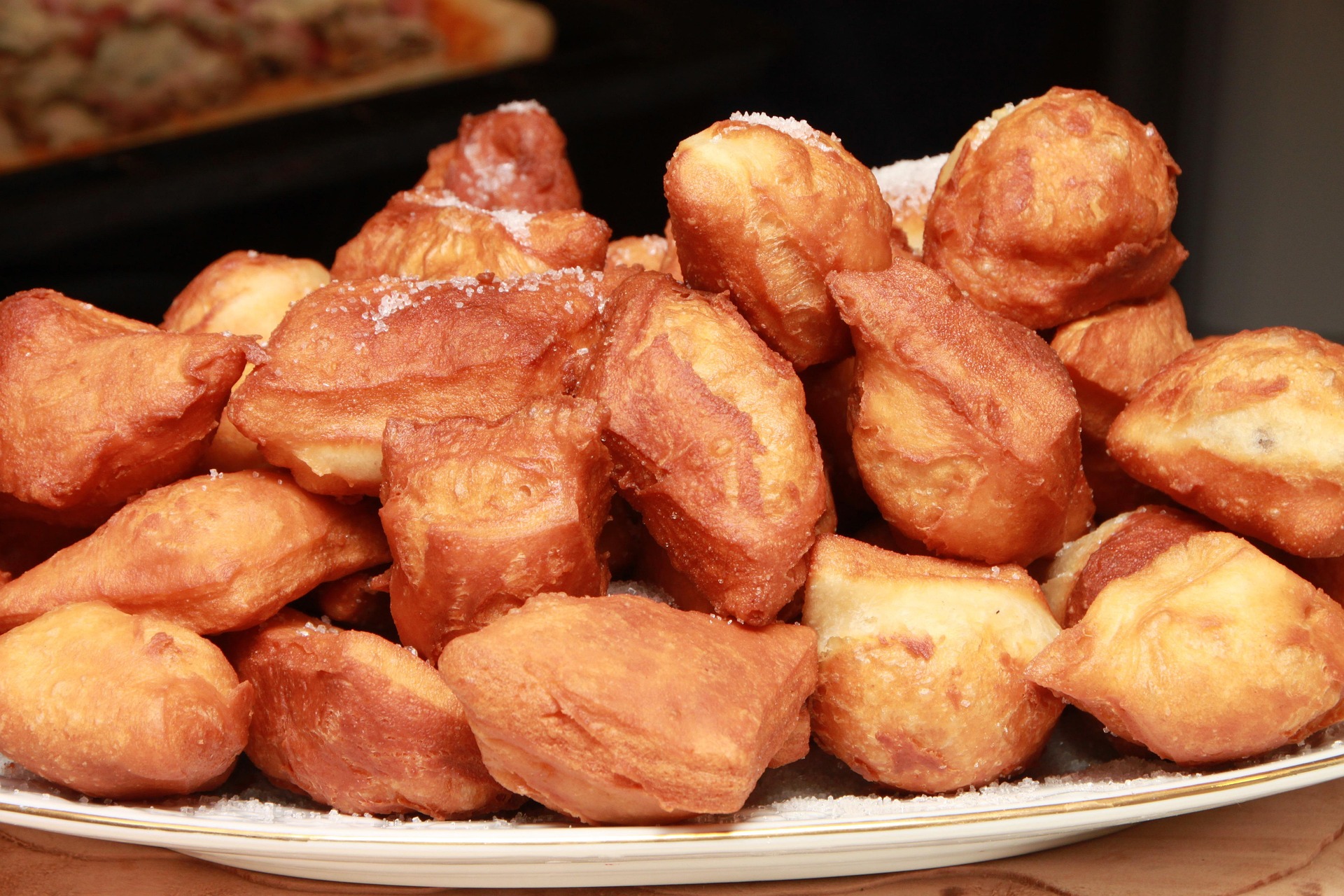
  • How to make soft and Testy Mandazi

    Hello, I grew up in Kenya. Every morning if mother dint arrive the day before with a loaf of bread, she would give as means on how to get one. On most occasions she would wake up energized, get some ingredients and bake a nice dough. Within no time an awakening aroma get us out of bed and into the showers.
    After putting on our school uniforms. A look at the table is met with tasty brown nice mandazis. Without holding any dripping saliva, our cups are full with tea, coffee, or either coco, depending on once preference.
    Ingridients Of Make Soft Mandazi
    Ingredients;
    mandazi,
    baking paper,
    icing sugar,
    white plate
    Dry Ingredients;
    3 cups of all Purpose flour
    2 tsp instant yeast
    5 tbsp sugar
    1 tsp baking powder
    1/2 tsp ground cardamom
    1/2 tsp salt
    Mix the dry ingredients in a bowl and set aside
    Wet Ingredients:
    1 cup luke warm milk
    4 tbsp melted butter/margarine
    1 whole egg
    INSTRUCTIONS
    Add the wet ingredients into a separate bowl and mix well.
    Now add the wet ingredients to the dry ingredients and knead into a dough.
    Cover with a damp cloth and set aside to rise for 1 hour or until the dough has doubled in size.
    Roll out the dough (1cm in height) on a lightly floured surface. Cut out shapes. You could cut them into small squares or diamond shapes. You can even use a glass to cut out round shapes.
    In a thick bottomed pan, add enough oil to deep fry. The oil is ready to use when you put a wooden skewer in it and bubbles form around the skewer.
    Drop in the cut dough shapes and lower the heat to avoid the outside burning while the inside is uncooked. Flip the mandazi over every 30 sec and cook for about 2 min.

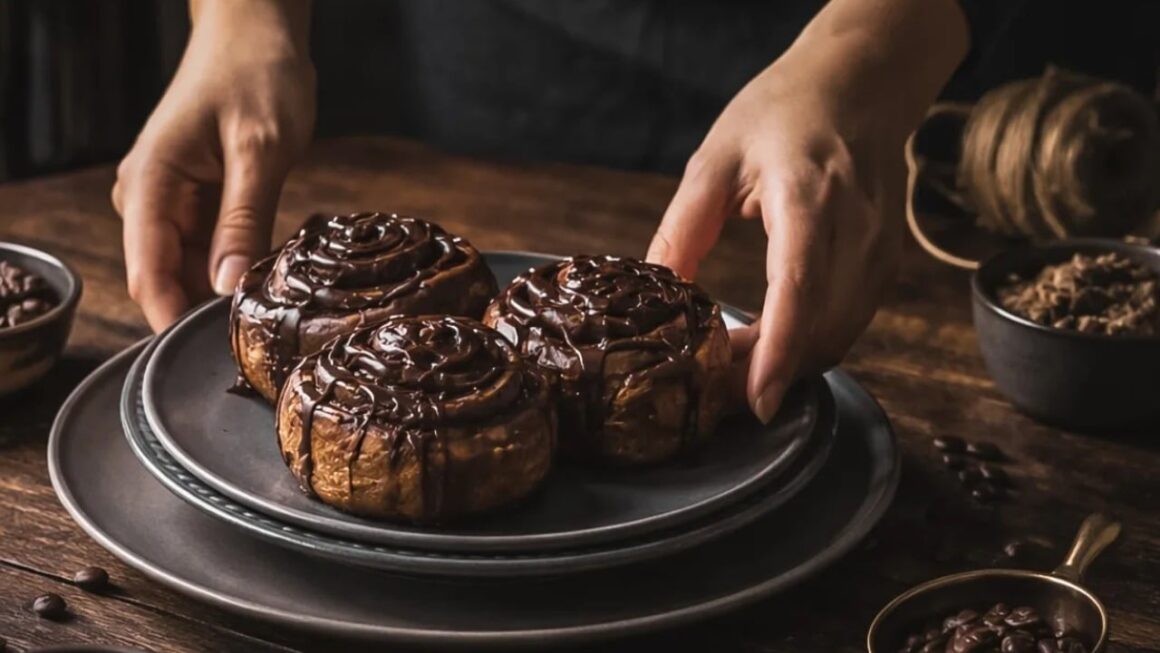
  • Best Cinnamon Rolls You’ll Ever Eat in Nairobi

    This cinnamon roll recipe starts with an easy dough made in your bread machine, and the rolls take just 15 minutes to bake in your oven. With a sweet cinnamon, sugar, and pecan filling and a decadent cream cheese frosting, they taste just like the ones sold at that well-known store in the mall.

    Prep Time: 30 mins
    Cook Time: 15 mins
    Additional Time: 2 hrs 15 mins
    Total Time: 3 hrs
    Servings: 16
    Yield: 16 rolls
    Ingredients
    Dough:
    1 cup warm milk
    ¼ cup water at room temperature
    ¼ cup unsalted butter, melted
    1 large egg, room temperature
    4 cups bread flour
    ½ (3.4 ounce) package instant vanilla pudding mix
    1 tablespoon white sugar
    ½ teaspoon salt
    1 (.25 ounce) package active dry yeast
    Filling:
    1 cup brown sugar
    ¾ cup chopped pecans (Optional)
    4 teaspoons ground cinnamon
    ½ cup unsalted butter, softened
    Frosting:
    1 cup confectioners’ sugar
    ¼ cup unsalted butter, softened
    ½ (8 ounce) package cream cheese, softened
    1 ½ teaspoons milk
    ½ teaspoon vanilla extract
    Instructions
    Make the dough: Place milk, water, melted butter, egg, bread flour, pudding mix, sugar, salt, and yeast into a bread machine in the order listed, or follow the order recommended by the manufacturer if different. Run Dough cycle. Remove dough from the machine after the cycle is done, about 90 minutes.
    When the dough is almost finished, start the filling: Mix brown sugar, pecans, and cinnamon together in a bowl until well combined. Butter a 9×13-inch baking pan.
    Turn dough out onto a lightly floured surface and roll into a 17×10-inch rectangle. Spread 1/2 cup softened butter over the rectangle, then sprinkle brown sugar mixture over top.
    Beginning with the long side, roll dough over filling into a log; cut log into sixteen 1-inch slices. Place slices, cut-sides up, into the prepared pan. Let rise in a warm place until doubled in volume, about 45 minutes.
    Preheat the oven to 350 degrees F (175 degrees C).
    Bake rolls in the preheated oven until golden brown, 15 to 20 minutes. Remove from the oven and let cool for 10 minutes.
    While the rolls are cooling, make the frosting: Stir confectioners’ sugar, softened butter, cream cheese, milk, and vanilla together in a bowl until well combined. Spread over warm rolls.
    Nutrition Facts (per serving)

    372 Calories
    19g Fat
    45g Carbs
    6g Protein
    Hide Full Nutrition Label

    Nutrition Facts
    Servings Per Recipe 16
    Calories 372
    % Daily Value *
    Total Fat 19g 24%
    Saturated Fat 10g 48%
    Cholesterol 51mg 17%
    Sodium 198mg 9%
    Total Carbohydrate 45g 16%
    Dietary Fiber 2g 6%
    Total Sugars 19g
    Protein 6g 13%
    Vitamin C 0mg 0%
    Calcium 54mg 4%
    Iron 2mg 11%
    Potassium 122mg 3%
    Percent Daily Values are based on a 2,000 calorie diet. Your daily values may be higher or lower depending on your calorie needs.